The Hocking Hills Short-Term Rental Market in 2026
By Zach Johnston · July 9, 2026 · 7 min read
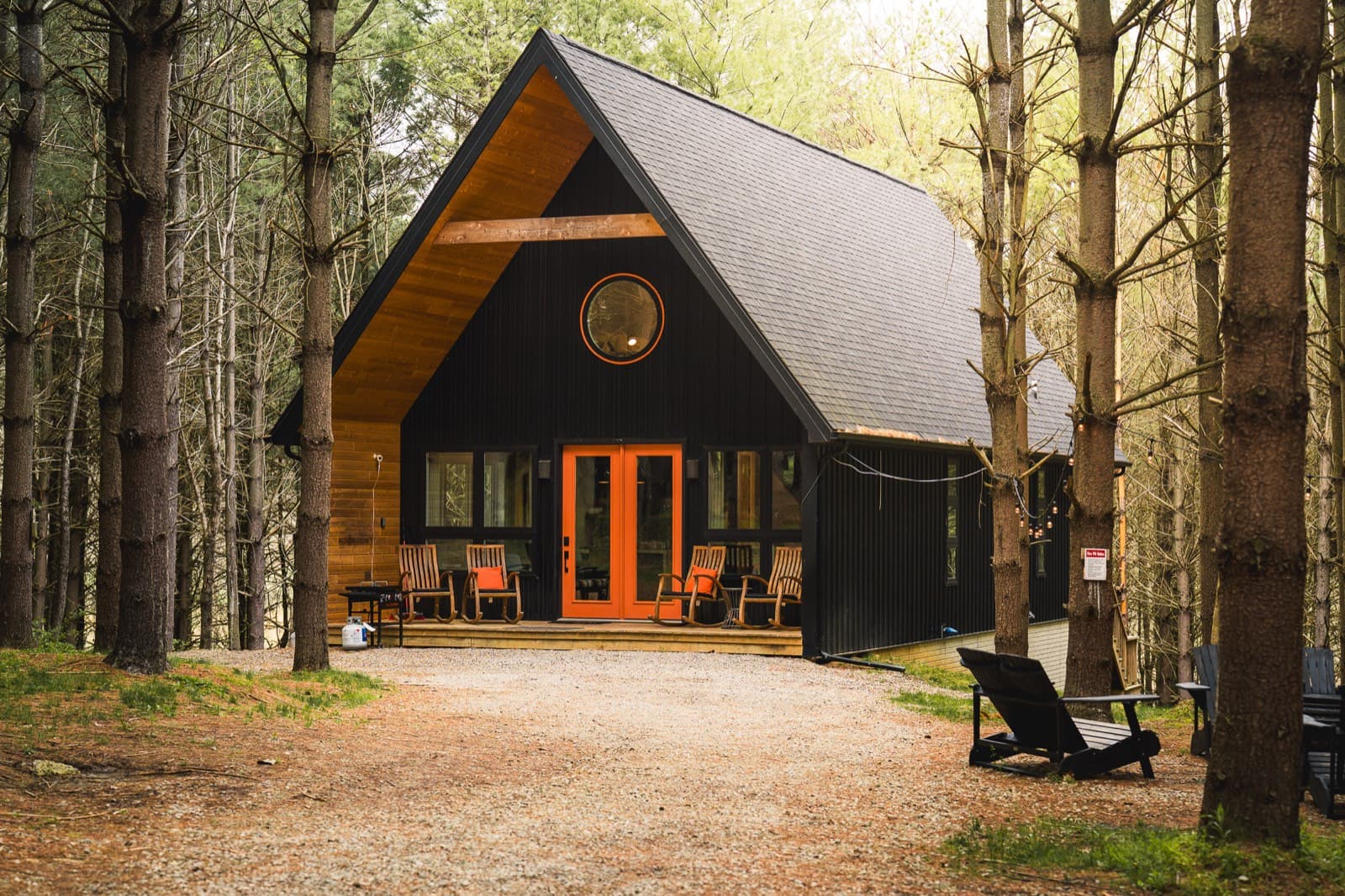
The Hocking Hills short-term rental market in 2026 is a boom settling into a squeeze. An estimated 750 cabins now compete for guests, supply grew about 43 percent in a year, and occupancy has slipped to around 43 percent even as nightly rates climb. Demand is still strong. It is just no longer growing faster than the cabins chasing it.
The short version
- The Logan and Hocking Hills market holds an estimated 753 active listings, up about 43 percent year over year (AirROI).
- Occupancy sits near 43 percent, with an average nightly rate around $394 and roughly $56,000 in average annual revenue per listing.
- Total revenue is still rising, but the gains come from higher rates and more listings, not from each cabin booking more nights.
- Tourism is healthy: up to 5 million visitors a year and about $436 million in visitor spending in 2025.
- Rules are tightening. Logan caps rental licenses, the county has a draft permit ordinance, and hosts owe a 6 percent lodging tax the platforms do not collect for you.
How big is the market, and how fast is it growing?
The standard data proxy for this market is "Logan, Ohio," and the most recent read puts it at 753 active listings, up about 43 percent year over year, per AirROI. For context, national listing growth has run closer to 4 or 5 percent. Hocking Hills is expanding roughly ten times faster than the country as a whole.
Local officials have noticed. In a November 2025 county meeting covered by WOUB, a Hocking County commissioner suggested the market may be saturated, with more cabins than demand can support. At the same meeting, a resident described "house after house being built only to be turned into an Airbnb."
I will be honest about a tension in the data. Some investor-facing reports still call Hocking Hills "undersupplied," because it has fewer cabins than far larger markets like Gatlinburg. That framing sits awkwardly next to a 43 percent supply surge and local saturation worries. For a working host, the supply growth and the view from the county commission are the more useful signal.
What is a Hocking Hills cabin actually earning?
Here are the current estimates for the market, all from AirROI's mid-2026 data and worth treating as approximate, since no market this small has audited figures.
| Metric | Estimate (2026) |
|---|---|
| Active listings | about 753 |
| Occupancy | about 43 percent |
| Average nightly rate | about $394 |
| Revenue per available night | about $173 to $183 |
| Average annual revenue per listing | about $56,000 |
Two things stand out. First, revenue per listing rose about 13 percent year over year even as occupancy softened, which tells you the growth is coming from rates and new supply, not from cabins filling more nights. Second, commonly cited estimates put operating costs at 30 to 50 percent of gross revenue once you account for cleaning, insurance, financing, and furnishing, so the headline revenue is not take-home.
Earnings also vary widely by property. A one-bedroom couples cabin and a five-bedroom lodge are different businesses, and the gap between the top and bottom of the market is widening as design-forward, well-managed homes pull away from dated ones.
Demand is still strong, and unusually year-round
The reason any of this works is visitation. Hocking Hills State Park is Ohio's most-visited, drawing up to 5 million people a year, and the region generated about $436 million in visitor spending in 2025, according to tourism figures reported by Spectrum News. Most guests drive in, with Columbus about 50 minutes away as the single biggest source.
What makes this market different from a beach town is how flat the seasons are. AirROI's cabin study found Hocking Hills had the shallowest peak-to-trough swing of ten cabin markets it tracked, with revenue moving only about 2.7 times from the February low to the July high. Summer hiking, fall color, and winter cabin getaways spread demand across the year.
That said, the calendar still has a clear shape. October, peak fall color, is the strongest window of the year. July is the busiest month, and event weekends layer smaller spikes on top. Mid-week nights and the stretch from December to March are the soft spots where occupancy is won or lost.
The rules are tightening
Regulation is the fastest-moving part of this market, and it is worth your attention before you buy or expand.
- Lodging tax. Hosts owe a 6 percent lodging tax, split between county and township, filed monthly. Airbnb and VRBO do not remit it for you in this county, so compliance is on you. The county's lodging tax page has the details, and most of that revenue funds the tourism marketing that drives your bookings.
- City of Logan. Logan adopted rental rules in 2023 that include a yearly license, an application fee, occupancy limits, and a cap of 60 active licenses in certain residential zones.
- The county. Hocking County circulated a draft countywide permit ordinance in 2025. As of late 2025 it had not been adopted, but it points toward permits, occupancy based on bedrooms, and a requirement that a local contact be reachable quickly.
None of this is meant to scare you off. Ohio has no statewide rental preemption, the rules are local, and they are still taking shape. The point is to plan for a more regulated market than the one early hosts enjoyed.
What is working in 2026
The market is splitting into cabins that stand out and cabins that do not. The ones holding their occupancy tend to share a few habits.
- A real amenity edge. Hot tubs are now simply amenities guests expect. Saunas, A-frames, geodomes, and thoughtful design are what stand out, and a large share of local listings, by some counts near three-quarters, already market themselves as outdoor or unique stays.
- Professional pricing. Dynamic pricing tools are standard practice now, not an edge, and two-night weekend minimums are common.
- Location discipline. Proximity to Old Man's Cave remains the single biggest pricing lever in the region.
- Off-season strategy. Because the seasons are shallow, the hosts who win fight hardest for mid-week and winter nights rather than coasting on fall.
- Better media. In a market with 750 lookalike cabins, how your listing photographs is a direct lever on bookings. I covered the evidence in how professional photos book more nights.
Frequently asked questions
Is the Hocking Hills Airbnb market saturated?
Supply has grown faster than demand. Listings rose about 43 percent in a year while occupancy slipped to around 43 percent, and county officials have raised saturation as a concern. The market is far from dead, but the easy growth of 2021 is over, and the cabins that stand out are the ones still earning well. That is exactly why presentation and management matter more now than they did a few years ago.
Can you still make money with a Hocking Hills cabin?
Yes, but it is now a business that rewards standing out and good management, not a passive one. Average annual revenue runs around $56,000 before expenses, and operating costs commonly run 30 to 50 percent of that. Location, amenities, pricing, and media are what separate strong performers from strugglers.
Do I need a permit or license?
It depends on where your cabin sits. The City of Logan requires a license and caps how many it issues in some zones, and the county has a draft permit ordinance that may take effect. Always check current county and township rules before you buy or list.
When is peak season?
October is the strongest month, driven by fall color, and July is the busiest by volume. The softest stretch runs December through March, plus mid-week nights year-round.
In a market this competitive, the photos are the lever you most control. Contact me about updating the media that carries your listing.
Ready to show your place at its best?
Let's capture your Hocking Hills stay with photo, video, and drone that book the calendar.
Work with me